Straight from the spring
Natural hot springs, cooled just enough to bathe in. The oldest way to bathe in Iceland, and still the most direct.
A guide to Iceland’s geothermal lagoons
Iceland is a volcanic island, warmed from below, and people have bathed in its hot water for over a thousand years. Today that water fills some of the world’s most beautiful lagoons, by the sea, in the forest and high in the mountains.

Golden Circle & South
Reykjaböð
Most lagoons are an easy detour off the Ring Road or the Golden Circle. Tap a pin to see what’s there.
Filter by region or by the kind of day you’re after. Prices are the cheapest adult ticket at each lagoon.

Reykjavík · Kópavogur
An ocean-edge infinity pool a short hop from downtown
New in 2026Golden Circle & South · Hveragerði
Reykjadalur’s hot springs, without the hike
 Reopened 2026
Golden Circle & South · Laugarvatn
Steam from a geyser, and rye bread baked in the ground
 New
Golden Circle & South · Laugarás
The Golden Circle’s newest lagoon, with a waterfall of its own
 Oldest pool in Iceland
Golden Circle & South · Flúðir
Iceland’s oldest pool, with a geyser for a neighbour
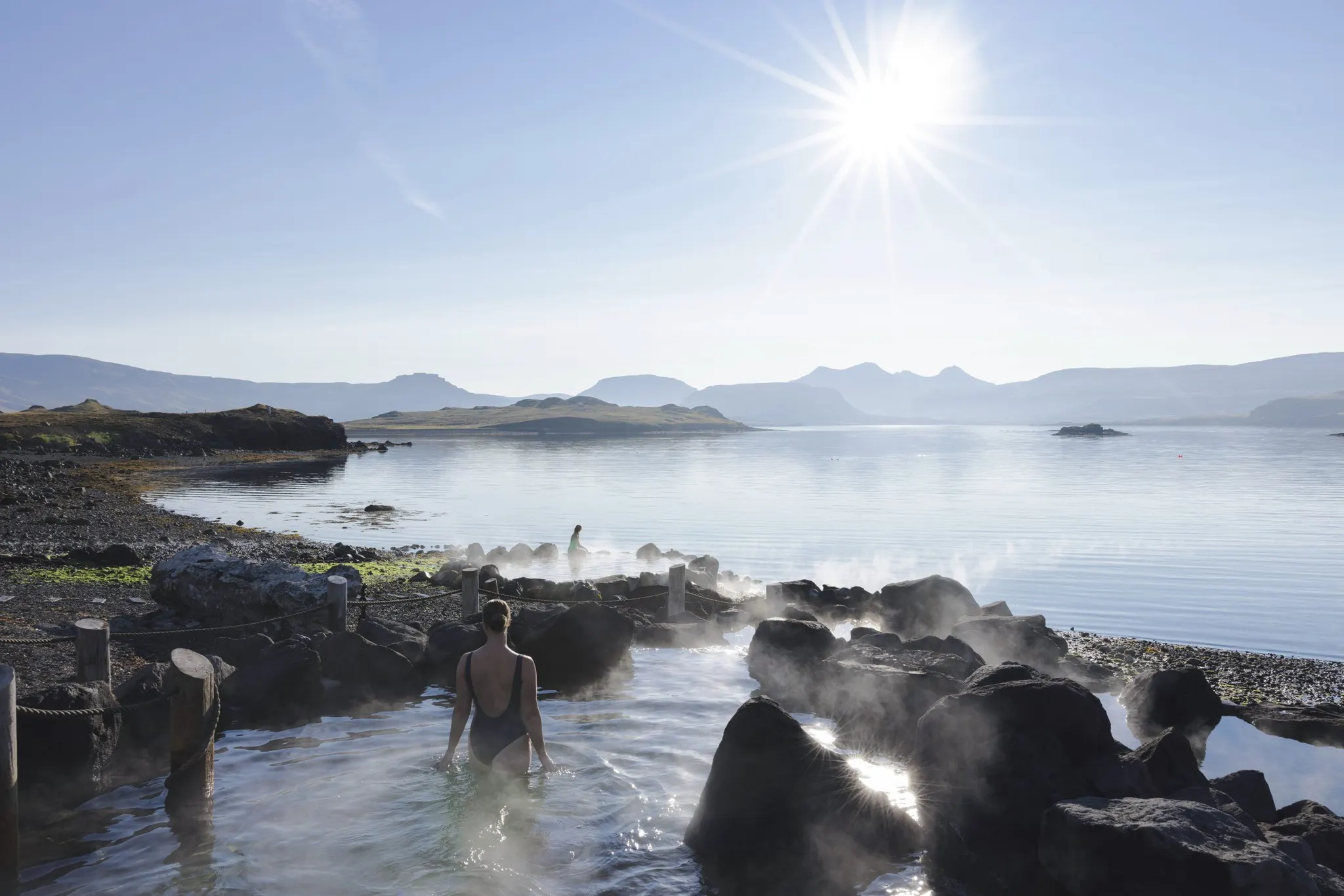
West · Hvalfjörður
Eight hot springs on the shore, rising and falling with the tide
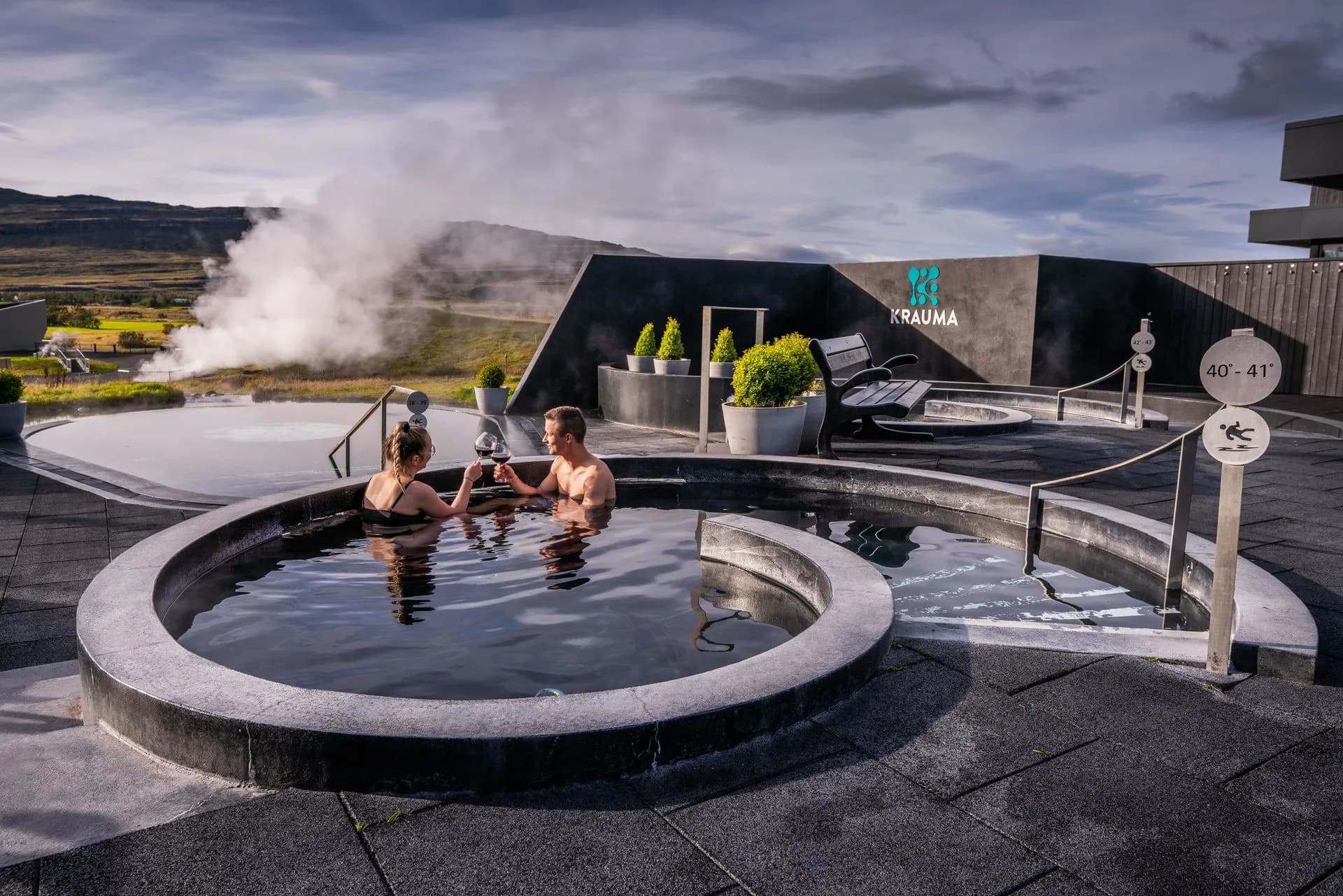
West · Reykholt
Europe’s most powerful hot spring, cooled with glacier water
 Guided only
West · Húsafell
Stone pools hidden in a canyon, reached on foot

North · Akureyri
Infinity pools in a birch forest, with Akureyri across the fjord

North · Húsavík
Geothermal seawater on a clifftop above whale country
 Reopened 2026
North · Mývatn
The north’s great lagoon, reborn with a steam cave in the lava
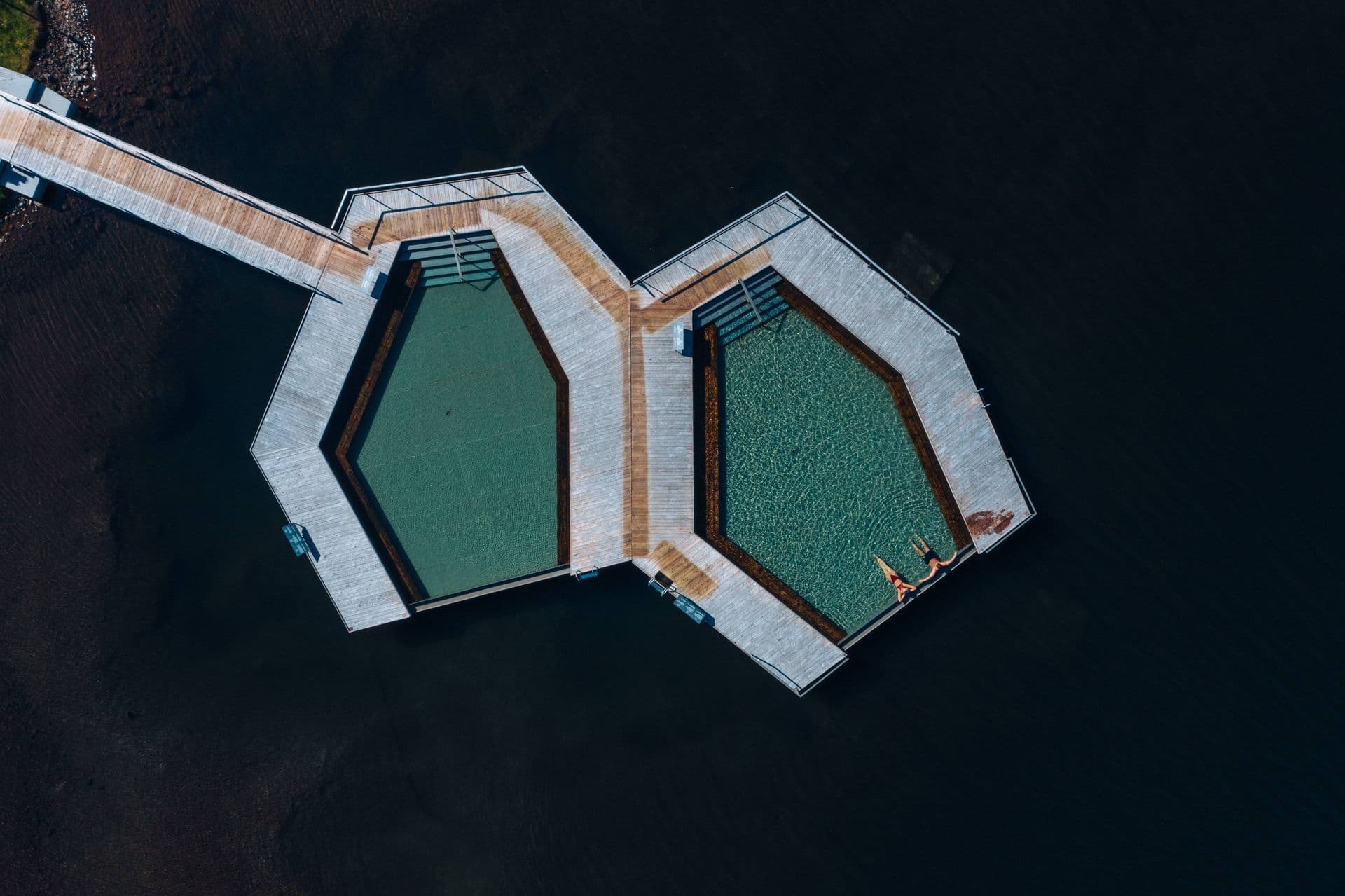
East · Egilsstaðir
Iceland’s only floating geothermal pools, out on a lake

Reykjanes · Grindavík
The milky-blue original, set in a field of black lava
 Summer only
Highlands · Kerlingarfjöll
A steaming river pool at 700 metres, in the heart of the Highlands
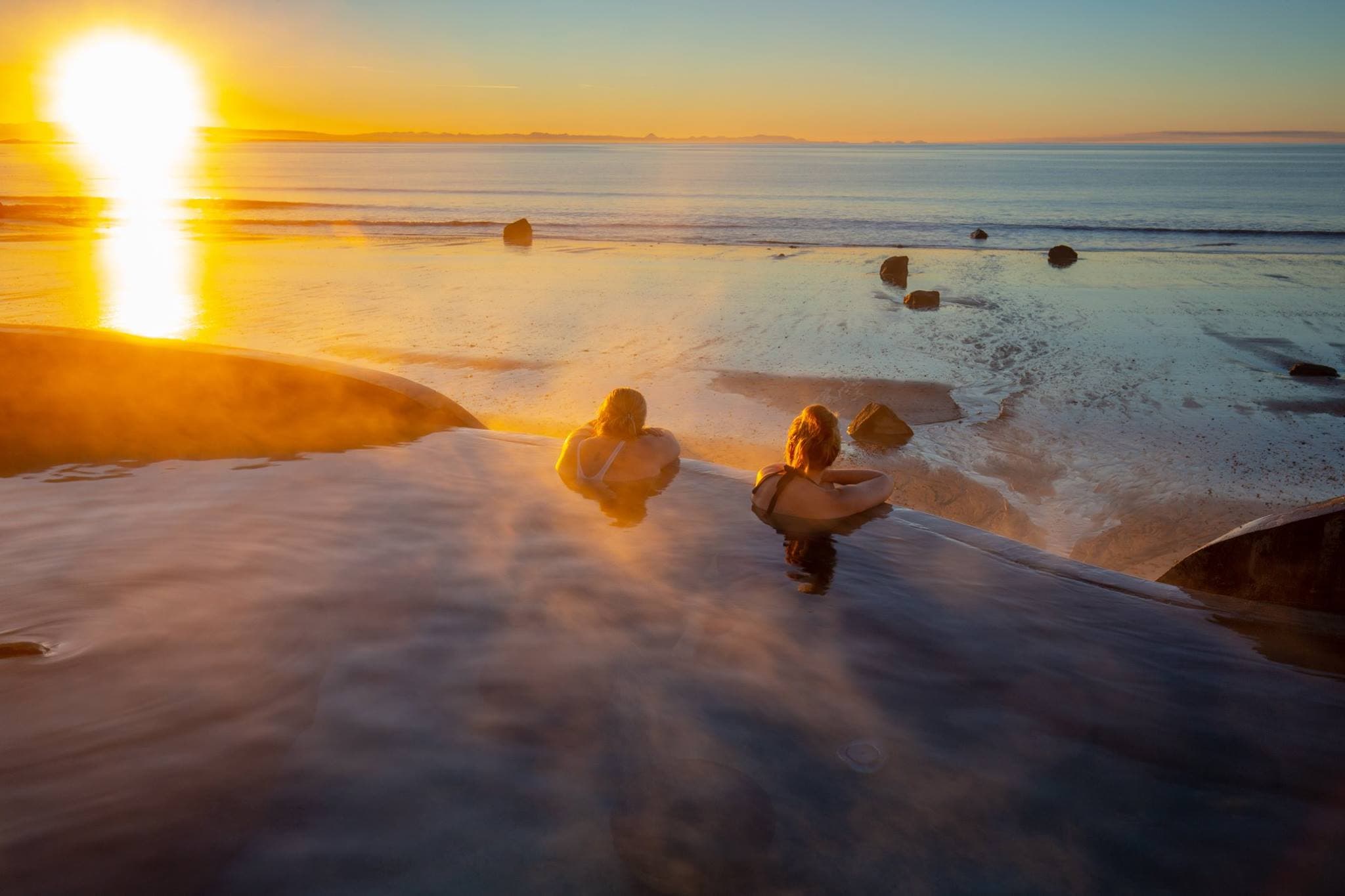
West · Akranes
A three-tier hot pool built into a beach breakwater
 Glacier views
Southeast · Höfn
Four hot tubs in glacier country
Iceland is in the middle of a lagoon boom. Here’s what has opened, or been rebuilt from the ground up, in the past twelve months.
New · Sep 2026Hot springs at the foot of Reykjadalur, an onsen-style bathhouse and a room full of real snow, 35 minutes from Reykjavík.
Read moreReopened · Aug 2026New baths that step right down into Lake Laugarvatn, a panoramic sauna, and the same geyser-baked rye bread.
Read moreReopened · Jul 2026Mývatn Nature Baths, rebuilt and renamed: a third bigger, wrapped in lava, with a steam cave you can swim into.
Read moreNew · Oct 2025Two levels joined by a seven-metre waterfall on the Hvítá river, and a restaurant from chef Gísli Matt.
Read moreThe boom isn’t over. These are the next openings to look forward to.
Forest Lagoon todayOpening 2027 · Vaðlaskógur, North IcelandForest Lagoon HotelA 120-room hotel going up next to Forest Lagoon, planned to connect to the baths with an infinity pool of its own.Follow the project RenderingOpening 2028 · Þjórsárdalur, South IcelandThe Mountain BathsGeothermal pools set into the rhyolite ridges of Rauðukambar, on the edge of the Highlands, with a 40-room hotel by Basalt Architects and Blue Lagoon Design. Lodges in the valley open first, in summer 2027.Follow the project
Iceland sits on a seam in the planet: the Mid-Atlantic Ridge, where two tectonic plates are slowly pulling apart. The same forces that keep splitting the island open, around thirty active volcanic systems, also heat the water underneath it, and Icelanders have been bathing in it since the first settlers arrived. In the 1200s the saga writer Snorri Sturluson had a stone-lined hot pool at his farm in Reykholt. Snorralaug is still there, and you’ll find a copy of it at Sky Lagoon.
What has changed is the scale. Over the past few years a new generation of geothermal lagoons has opened all around the country: ocean-edge infinity pools, baths in birch forests, pools that fill and empty with the tide, baths floating on a lake, and pools fed by a road tunnel. Older favourites have been rebuilt and expanded, and a few small local baths carry on much as they always have.
Lagoon Land gathers every one of them in one place. Use the map to see where they are, read why each one is worth the drive, and book your visit when you’re ready.
Natural hot springs, cooled just enough to bathe in. The oldest way to bathe in Iceland, and still the most direct.
Boreholes hundreds of metres down bring up hotter, mineral-heavy water, which is then cooled and blended on site.
A road tunnel that hit a hot-water vein, seawater too mineral-rich to heat houses, a power plant’s run-off pond. Some of the best lagoons were never planned.
Litli Geysir
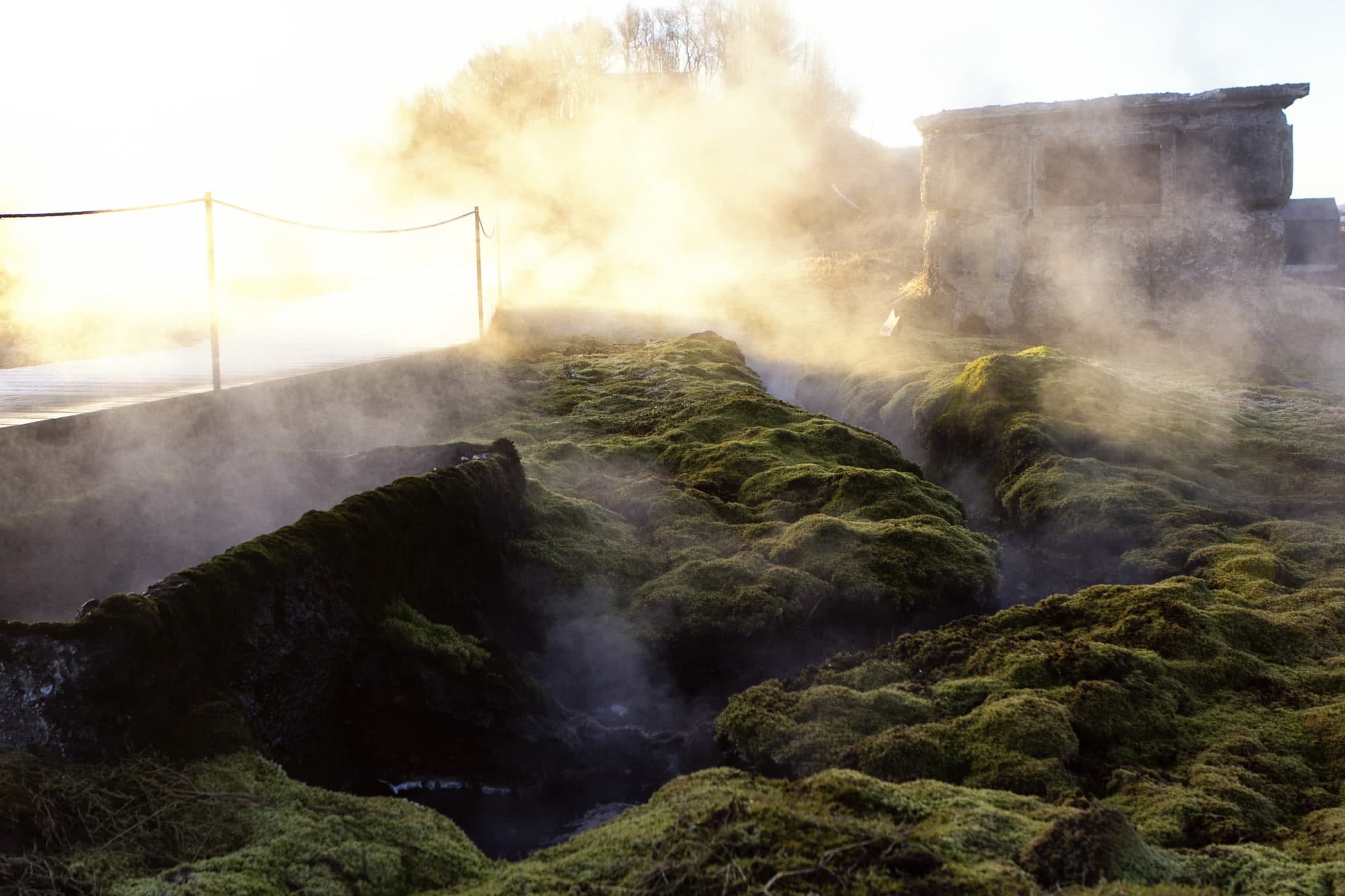
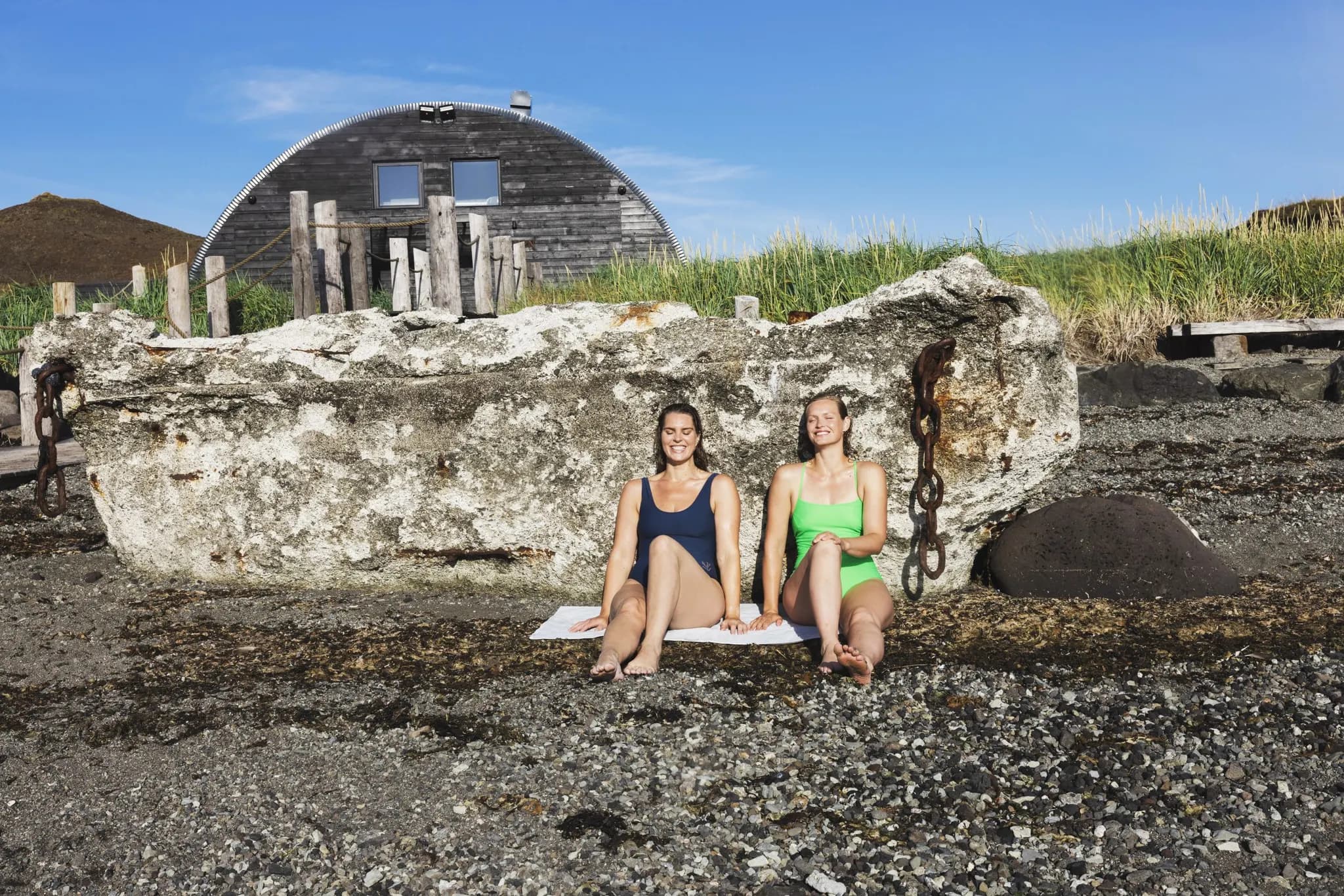
All of Secret Lagoon’s water comes from the hot springs around it, and a little geyser at the edge of the field erupts every few minutes.
Read about Secret LagoonIt’s the house rule at every Icelandic pool and lagoon, and attendants do keep an eye out. Many lagoons have private cubicles.
Nearly every lagoon sells timed entry. Sunset in summer and evenings in aurora season sell out first.
Silica and minerals are lovely for skin and hard on hair. Condition well, and keep your head above water.
Sulphur in geothermal water tarnishes silver and copper. Take off rings and jewellery before you get in.
Hot water dehydrates you faster than you’d expect. Use the drinking fountains and go easy at the swim-up bar.
In winter the walk from the changing rooms can be well below freezing. Bring flip-flops and a robe.
12 of the lagoons in this guide can be booked right here, with live availability for each one.
Book a visit